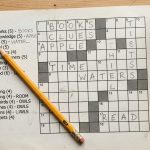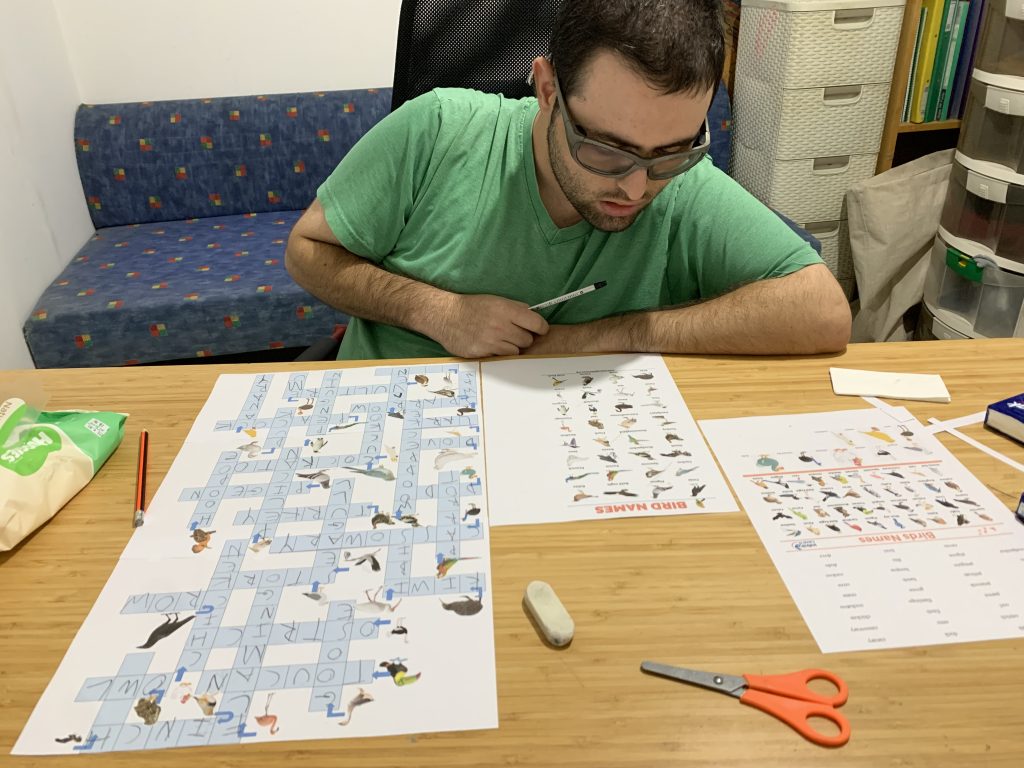

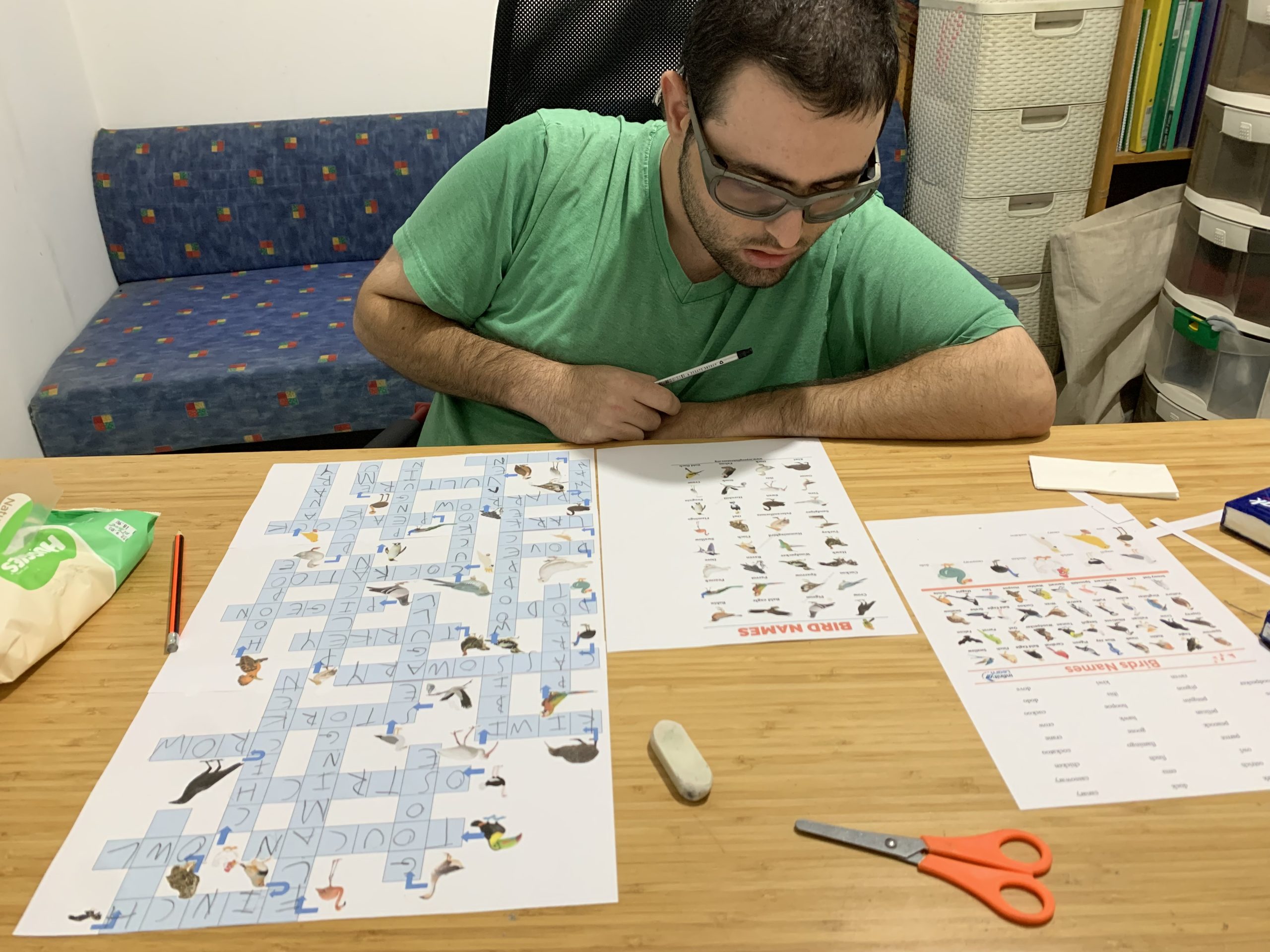
A fast crossword solve looks like a blur until one wrong letter poisons a whole corner. Crossword tournament accuracy is the discipline underneath the speed: enter quickly when the clue is clear, but keep uncertain answers soft until crossings agree.
The useful context
The American Crossword Puzzle Tournament uses multiple puzzles and a scoring system that rewards both completion and correctness. The published scoring discussion makes the practical lesson clear: a solver is not merely chasing a clock. They are managing the cost of an error.
For background, read the American Crossword Puzzle Tournament history and a published explanation of tournament scoring. These sources provide the historical or rules context; the practical advice here is written for ordinary browser play.
Crossword Tournament Accuracy
For a casual player, accuracy begins with labeling confidence. A firm answer can anchor a section. A possible answer should remain provisional. This is especially useful in a mini grid, where one wrong three-letter entry can block several clues and create the illusion that the whole puzzle is hard.
Take the short, certain entries first. Use them to establish crossing letters, then check whether the clue grammar still fits. If an answer needs two excuses, remove it. Strong tournament solvers are not afraid to erase. They protect the grid by refusing to let one attractive guess become a fact.
The useful detail in crossword tournament accuracy is not a secret trick. It is a way to separate strong evidence from an attractive distraction. That distinction matters because casual puzzle sessions are usually lost through small commitments: one unverified letter, one premature card move, or one piece accepted because it almost fits.
If the first attempt does not work, do not restart immediately. Leave the board in place and name the point where your information became weak. A short explanation is more valuable than a perfect replay. It tells you whether the next session needs a slower opening, a different order, or simply a smaller challenge.
The common trap
The trap is measuring progress only by filled squares. A wrong letter feels like progress because it is visible, but it creates hidden debt. When stuck, audit the least certain entries before searching for a new fact. One clean correction can open more than a new clue answer.
When the board feels crowded, return to the last decision you can prove. A short reset is more useful than adding more moves, more notes, or more guesses. The goal is to make the next choice visible.
A practical routine for today
Try two runs. In the first, solve normally and mark uncertain letters mentally. In the second, review only those weak points. If your time improves without more mistakes, you are learning the useful part of tournament pace: controlled commitment.
Keep the session small enough to review. One focused board teaches more than a string of rushed attempts, especially when the game is part of a daily break.
This approach also travels well between paper and browser play. On paper, the clue may be a pencil mark, a blank margin, or a small pile of pieces. Online, it may be a highlighted cell, a movable stack, or a saved position. The interface changes, but the question stays the same: what does this move make easier to see?
There is no need to turn a relaxing game into a performance test. A good routine should leave enough attention for noticing, not just finishing. Stop after a useful change, write down what opened, and return later if the board still has a clear question. That is how a narrow technique becomes a repeatable habit.
Keep the game moving
Crossword tournament accuracy is a quiet skill. It asks you to move quickly where the evidence is strong and patiently where it is not. That habit makes an ordinary daily grid feel more manageable, not more stressful.
For a live follow-up, play today on this site and browse more daily puzzles on Easy Daily Puzzle.
Keep crossword tournament accuracy as a lens, not a rule that overrides everything else. When the board offers a stronger piece of evidence, follow it. The value of a named technique is that it helps you see a better option sooner, then get out of the way when the position asks for something different.
A useful test is to ask whether the position became more open after your move. More open can mean an exposed card, a cleaner crossing, a connected image area, or a smaller list of candidates. If the board became harder to explain, pause before adding another commitment. Good play usually leaves a trace that the next move can follow.
Image suggestion: an editorial illustration with alt text “crossword tournament accuracy”.