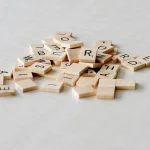
You may think that the word search is nothing more than a square net full of letters, some of which form the word, that the puzzle player must find out as quickly as possible to beat the game and challenge him or himself. You wouldn’t be wrong in that theory, but if you think that looking for words is just a simple puzzle, then you’re wrong.
The search for modest words goes deeper than a simple language game you can find in magazines, newspapers as well as on tablets or smartphones.
The truth is, when it comes to looking for words, there are a lot of different puzzles and changes, all of these add new things to the modest riddle, and make it a much more interesting prospect than you think. So let’s go into finding a variety of words, below.
Search from Traditional Grid
Classic Grid: Forever Format
True, in the centre of any word or search you will find the classic network format that we all know and love. It’s quite simple, but it can be complicated and contented at the same time. Imagine a square or rectangular net, each filled with a letter, and in this matrix hides a treasure of the word waiting. It is the necessary search experience that we have all known and loved for generations, and a major version of the world’s newspapers and magazines.
The size and complexity of the explosive net
The beauty of traditional grid words seek in their flexibility. They have all the sizes, creating a variety of levels of difficulty to fit people from newly started people to people with the same experience. Smaller networks, usually 10×10 or 15×15, are perfect for a fast – paced snack, while larger ones, such as 20×20 or even 30×30, are a substantial challenge for those who desire a more entertaining feast.
The complexity of these search grids is not only the size of the grid, of course, but also in the navigation options of the seating machine. Words can be hidden vertically, horizontally, horizontally, and even otherwise, turning each of the puzzles into an alphabetic labyrinth that can be surprisingly difficult to complete. For many people, the thrill of hunting is in explaining these words, and doing so as quickly as possible, a satisfying effort that checks both your vocabulary and attention.
Music diversity in Classical Networks
The search from tradition is often accompanied by an unexpected change, but most commonly in the theme form. From one holiday to another, Nature to the city, these search puzzles can easily take you to different worlds, and all within the range of a network, like magic. The search for words is given a lot of fun for many people, quite simply because they add a layer of joy to the process, because you not only search for words but also connect with a subject you love or are curious about it, and when you do so, you can actually learn more about it. Or at least in terms of the subject.
In educational settings, the riddles that search for the word are not simply a little bit of fun; they are also surprisingly effective tools for learning. This indicates that they can strengthen their vocabulary related to a certain subject, such as making learning an interactive and interesting experience for young people.
A puzzle for everyone.
Basically, the search from tradition is a testament to the power of simplicity in design. It is a form of puzzles that transcend age, language and culture, which presents a delightful challenge for people. Whether it’s a free moment or a challenge you’re looking for, the traditional search network is a painting that has something for everyone to enjoy.
Seek God’s Word
A theme world: Making puzzles to care
Step into the colorful and diverse universe of the search words, where each puzzle is a door to a different world. You may be forgiven for thinking that the search for words is a set of words you need to find to complete the game, but actually they are much more than that, some will argue that they are a good discovery of topics that most of us care about and passion. From the mysteries of space to the bottom of the ocean, from holidays such as Halloween and Christmas to historical events, these findings offer a fascinating way to connect with multiple topics fundamentally and gently, giving you new points to go out and discover once the network is completed.
The screen has been closedName
Real magic, it can be debated, their search in their ability to shape the puzzle experiences around a central idea, regardless of what those ideas are. The choice of words, in these particular puzzles, is carefully managed to reflect the subject, clone the players in the subject as they seek. For example, a riddle with “underseas may include words such as corals, corals, and submarines, which immediately take the cryptographer to the bottom of the sea.
However, it is not just the word listed under the influence of the subject. At times, the shape of the net reflects the subject in some way, adding a class of creation and challenges to the player to enjoy. Imagine a search word shaped like a Christmas tree during the holiday season or a heart for Valentine’s Day, and you’ll understand. These shape-based themes turn the puzzle into a visual image as well as a mental treatment, and that can make them even more exciting, and of course, even more fun.
Use Teaching and Popular Methods
In the educational context, the search for a dictionary of learning has always been a major achievement for students and teachers. Why? Because they make learning new vocabulary interesting and appropriate, especially for young people. Teachers often use them to supplement lessons, giving cheerfully to strengthen key key key keywords such as science, geography, and history. And it’s only fair to say that you really stick with children, because when you spend a lot of time hunting a specific word, you can’t forget it in a hurry!
Go further than the class, looking for words, also popular in many ceremonies and events. Common words seek birthdays, wedding anniversarys, or weddings add private parts to festivals and a special turn during leisure day. Also, they are not just riddles but are happy monuments, in accordance with their preferences or events in the lives of those involved.
Look for seasons and special ones
The opposite feature of search terms actually shines through seasonal variants and especially on occasion. These puzzles record the nature of different times of the year, from spring flowers to falling leaves. Special occasions such as Earth Day or International Women’s Day are also expressed in these puzzles, allowing puzzle solvers to participate and meditate on these important days while also having a bit of interest in the agreement.
Search & Backwards
Flip script: The Challenge of Searchback
Have you ever heard of looking backwards? Otherwise, you’ve really missed the opportunity, and you’d want to fix your supervision sooner than you’re late! Search backwards became the board in the most attractive way and asked the player to become the creator of their favorite puzzle instead of the hunter of words like Grfield hunting lasagne.
This simple change in the traditional format presents a innovative challenge that tests not only the skill of finding words but also the ability to make puzzles at the same time. Imagine being given a list of words or clues, and your mission is to create a network where these words can be effectively hidden. It’s like being an architect and a detective all put into one, and it’s happier than you think!
The Unintelligible Art of Creation
The process of creating a search from the reverse is actually a creative and strategic practice. You start with an empty network and set the strategy of putting each word into the grid saying, calculate exactly how they intersect and overlap. The process may sound simple, but in fact, it really needs a careful balance, making sure that the words fit well while maintaining the possibleness of the puzzle. It’s like pieces in a puzzle, except you’re making pieces.
Educational Benefits and Associated Skills
Finding backwards is not only a lot of fun but also a neat educational tool that you can use on many occasions. For example, for students, they are a great tool to strengthen vocabulary and spelling. By creating his own puzzles, the student gets attached to each word deeper, thinking about its length, the letters it contains, and how it interacts with other words.
From the cognitive point of view, this type of search enhances problem-solving skills, spatial perception, and creation is quite effective. It encourages players to think outside the box, challenging their brains to work in new and different ways, which are always good for brain health.
A Difficult State to Find From
And, of course, for people who are passionately looking from experience, looking backwards for a novel way to enjoy their favorite entertainment. It was an interesting opportunity to enter the shoes of a puzzle designer, bringing a new level of attachment to the word search experience. These puzzles can also be an interesting activity for groups, where participants can create and exchange puzzles, adding a social element to the challenge.
Search words in shape
Beyond Grid: Search Word with a Curve
Now, let’s go into the artistic face of the word search with the puzzle shape. Here, it is fair to say, creation occupys the central position as a traditional rectangular shape into a series of interesting, attractive, shape and design forms. Imagine finding words that are compiled within the framework of animals, objects, or symbols – each shape not only adds to the visual attraction but also adding a layer of narratives about computing into the puzzle, making it more beneficial.
Images Tell a Story
The charm of the search based on the shape, it can be argued, is within their ability to tell a story or convey a subject through their simple form. For example, a riddle is like a star that may contain words related to space and astronomy, while a tree-shaped puzzle can be filled with terms related to nature and the environment. This combination of form and content makes the puzzle solve experience more exciting and appealing, especially for children who love something more than a network is the main focus point.
Trouble in the Format
But it’s not just aesthetics, you know? The features of these word-finding forms present new challenges to the puzzle-solution process. Words can bend along edges or extend in unusual patterns, requiring a different strategy than what a normal network requires. This means that even those who have been interested in searching for years will find new and interesting challenges in these creative puzzles.
Education and Entertainment Applications
In educational settings, search based in shape can be a very large result. They offer an interesting way to learn about specific topics, with the shape of the puzzle strengthening the subject of hidden words. For example, a riddle in the human heart shape can be used in biological classes to learn the terms of anatomy, and it will help these terms to be more effective because the search for words is less dry than the study of heart.
In the entertainment context, these puzzles are also perfect for events or festivals. Imagine a gathering on the holiday, where guests are presented with search terms in the form of Christmas tree or pumpkin, adding a funny custom.
Search words with design shapes
Creating a search word based in shape can be as interesting as solving a word if it is your job. This includes not only the thought of what words to tell but also how to arrange them into a specific shape and creation. This process can be a great exercise in creation and thinking horizontally.
Search From Digital and Interactive
Welcome to the Digital Age: Search for words online
The search for words has indeed flourished in the modern world, when you can expect them to almost die of games such as Call of Duty and the Myth of Game with interesting adventures that do not compare with the simple pleasure of finding words in a network. But, of course, you’ll be wrong. The word-finding puzzle has flourished in the digital world because they’ve taken the applications and the web and turned themselves into an interesting, digital experience that has more meditation than all the activities. Allowing people to have a relaxed play occasionally.
The Attraction of Interactive
Fair says that finding from digital can attract their interactive elements more than the paper-finding puzzle can. Imagine cartoons that commemorate your discoveries, sound effects that bring life, or the ability to share victory immediately on social media. These features turn the solo act of solving puzzles into a fascinating, multisensitivity experience for the masses. They make each one feel better and the overall experience becomes stronger.
Customise in Fingers
One of the most fascinating aspects of the search for the word, for many players, is the ability to customise. Players often choose the subject, the difficulty level and even the puzzle size to fit their interests at any given time. This individualization makes the puzzle more accessible and interesting to various users, from children seeking interesting learning tools to adults looking for a challenging brain.
Accessibility and Documents
Digital formats also bring unmatched access and convenience, right? With the search for vocabulary on smart phones and tablet computers, users can enjoy the puzzle they most enjoy at any time, anywhere. Waiting in rows, communicating, or relaxing at home, these puzzles are just a few beats away, making them a perfect recreational activity for our quick lives.
A New Generation Seeks Words
The digital search revolution also played a significant role in in introducing puzzles to a younger, technical generation. The bright, attractive interfaces of the application and online games attract an demographic that may not be attracted to traditional paper puzzles. It was the way to maintain the classic puzzle related and interesting in the era that digital entertainment dominated.
Search from 3D
Extended dimensions: The appearance of search from 3D
Search from three dimensions is the new frontier of word-based puzzles, where classic puzzles jump out of the page and into the field of space exploration. In this creative difference, the traditional flat network transforms into a multi-dimensional cube or a complex structure, providing a new world of search adventures from. This is the hard place of finding words that meet the thrill of three-dimensional navigation.
3D Space Travel
In a 3D search word, words can be hidden in any direction: horizontally, vertically, along the crossline, and through the three axis of the structure. This added a complex layer which required the cryptographers to think outside the traditional two-dimensional aircraft, making them much more satisfying for a normal person to solve. Imagine you rotate a cube in your mind (or on your screen) to find the words twist and spin through the angles and the opposite, and you get the image.
Benefits of Education and Exercise
The search from 3D is not only a new thing for people who like to search for words; it is also a powerful tool that can promote cognitive development and ensure that your brain is shooting all the cylinders. You see, it really affects various parts of the brain, encouraging solutions to visualize and control puzzles in three-dimensional space. For learners, this can be a pleasant and appealing way to improve space reasoning, a useful skill in many areas of everyday research and life, and can help you make good tests easily.
A New Challenge for Unintelligible Joys
For those who are passionately searching from experience, looking from 3D, it’s true to say, it’s an attractive new challenge to make. They actually provide a new way of enjoying a very familiar game, pushing the boundaries of what finding words can really be. Whether it’s a 3D puzzle or a digital version of the three-dimensional experience, these puzzles offer a unique and attractive change in classical pundication.
Seek God’s Word at the Right Time
The Excitement of the Race: Seek the Word at the Right Time
Imagine finding the classic word, but with a running clock, you’ll have an added thriller advantage for the challenge. It’s the essence of finding time. In this high-level variant, speed is really the nature. Players race with watches to find as many words as possible in the set time limit. It transforms the search for words into a quick, quick operation with adrenaline that becomes extremely competitive.
Competition and the Community
The search for time is often the basis for competing events in the category. Imagine the local and online tournaments where those who love the words gather together to test their skills to each other in an interesting setting these competitions encourage a public feeling among players, uniting them in common love for puzzles and the pursuit of their excellence. From normal gatherings in community centres to large-scale online challenges, searching for time to turn a single entertainment into a shared experience of healthy competition.
Strategy for Speed
Success in finding time does not require just quick eyes and extensive vocabulary. Players develop and refine strategies to maximize their performance over time and with much practice. This may include scanning in a more long word, or quickly identifying the common type, depending on the player. As players sharpen these skills, they not only become better in the game but also enhance their cognitive abilities, such as pattern recognition and time management.
Tests With Time to Attract
Finding each word is even more appealing to more players than seeking the ease of nic on a cup of coffee, and that’s not really surprising because they offer a unique kind of satisfaction, they allow you to work under pressure, and get adrenaline pump, to show how clever you are at the point and finish a network. They add a competitive factor that some may not resist, and this makes the word search more appealing to those who prefer trials.
Conclusion
As you can see, the word search is much more interesting, much more complex, and much more interesting than you think. So if you’re struggling under the mistaken idea that the puzzle seeks the word boring or not, think again, try some variation, and discover the joy of pursuing the word!