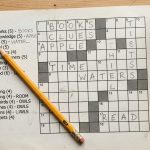

Mini Crossword Hint becomes easier to enjoy once the rules are treated as information rather than obstacles. A hint is most useful when it restores the solver’s next decision, not when it simply replaces the solve. The goal is not to memorize every advanced trick. It is to understand what a legal move reveals, what it closes, and when a tempting shortcut creates a harder board. A few plain habits can make the next session feel more readable without taking away the discovery.
Mini Crossword Hint in practice
Read the clue before you chase the answer
A crossword clue is usually giving you more information than its surface meaning suggests. Tense matters. Singular and plural matter. Abbreviations, quotations, and question marks can change the kind of answer the editor wants. Before writing, ask what grammatical shape the answer must have and whether the clue is describing a fact, a phrase, or a wordplay move.
The grid then supplies the second half of the rule. An answer is not finished because it sounds plausible. It is finished when its letters agree with the crossings and its grammar matches the clue. That simple standard prevents a lot of late-puzzle frustration.
A hint should restore the next decision
If a clue is blocking the grid, use a hint to expose one useful letter or clarify the clue type, then go back to solving. Copying an answer without reading the crossings removes the part that teaches you. A small crossword is especially good practice because every letter has visible consequences.
For beginners, the best order is often direct definition clues first, then short fill-ins, then the entries that rely on crossings. The order is not a rule of the game, but it gives the brain a reliable way to build momentum without rushing.
Keep the grid honest
Try a fresh crossword on the main puzzle site and search this site for more clue guides. Britannica explains the form’s history, while the American Crossword Puzzle Tournament is a useful look at how much accuracy matters when time is involved.
A clean checklist for the next game
Use the first pass to collect answers with strong clue grammar, not to prove how much trivia you remember. Note whether the clue is singular or plural, past or present tense, shortened, quoted, or marked as playful. Those signals often narrow the answer before the crossings do. They also help you notice when a clue is asking for a phrase rather than a dictionary definition.
When a clue stalls, leave it visible and move to a crossing-rich entry. A new letter can change the reading of the surface, and that change is often more valuable than another minute of staring. Hints work best in the same way: take only enough help to create a new decision, then return to the grid and test the answer yourself.
At the end of a solve, review the answers you changed. Do not only count mistakes. Ask what kind of signal you missed. Was the tense wrong? Did you ignore an abbreviation? Did one crossing expose that the clue was a pun? Naming the pattern makes the next puzzle feel easier without requiring memorization of a long answer list.
For the next session, play a fresh crossword on Easy Daily Puzzle and browse more crossword guides on this site. The aim is not to finish every grid without help. It is to make each hint, crossing, and correction teach you something you can use on the next page.
The small detail worth remembering
The best clue habit is flexible rather than rigid. Sometimes the answer arrives from definition, sometimes from a crossing, and sometimes from noticing that the clue is asking for a different part of speech. Good solving means changing the route without losing the standard of proof.
When the grid finally closes, keep one lesson from the puzzle. A new abbreviation, a punctuation signal, or a useful crossing pattern is more valuable than memorizing the entire answer list. That is how a daily crossword quietly builds skill.
A short pause before entering an uncertain answer is often enough to preserve the rest of the grid. The clue will still be there, and the next crossing may give it a better shape.
For a little more context, read Britannica’s crossword history and American Crossword Puzzle Tournament. These references are useful for checking the basic history or rules without turning a daily game post into a long reference list.